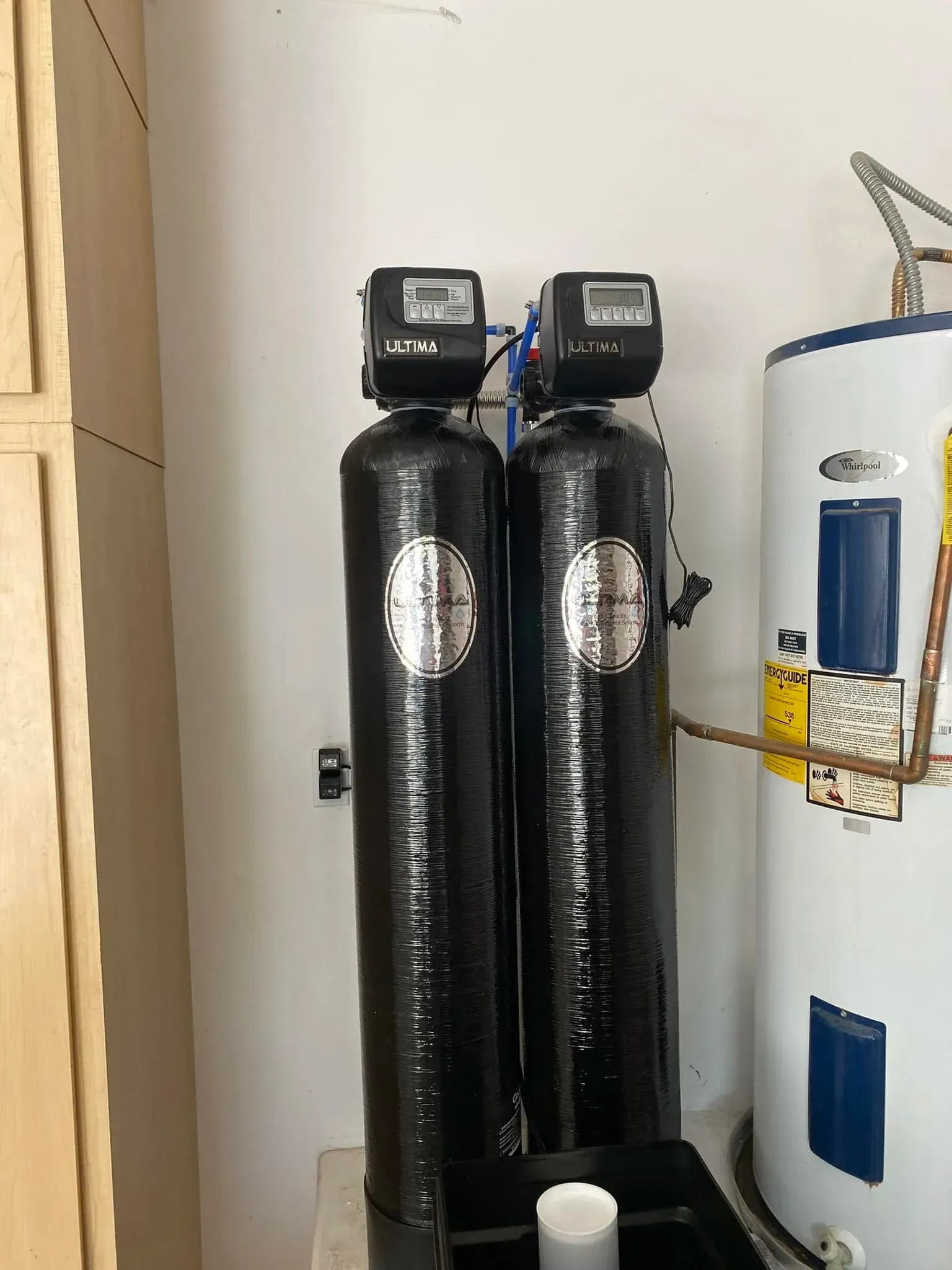
Chalky buildup around your faucets, cloudy spots on clean dishes, stiff laundry, and a water heater that needs frequent attention can all point to hard water. For Gilbert homeowners, these frustrations can act like an invisible tax through extra cleaning, maintenance, and wear on plumbing fixtures and water-using equipment.
Professional
water softener and filtration services in Gilbert, AZ can help reduce those costs. The right solution depends on your home’s water conditions and whether your main concern is scale, taste, odor, or drinking-water quality.
How Hard Is Gilbert’s Water?
Gilbert’s tap water averages about 8 to 10 grains per gallon, although
hardness can vary with seasonal water-source changes. Based on U.S. Geological Survey classifications, that range is considered hard water, not very hard water.
The Town of Gilbert explains that one grain per gallon equals about 17.1 milligrams per liter. That places the local average at roughly 137 to 171 mg/L as calcium carbonate. The USGS classifies 121 to 180 mg/L as hard and anything above 180 mg/L as very hard.
Hardness comes mainly from dissolved calcium and magnesium. These minerals are not generally considered a health risk, but they can leave scale behind as water moves through plumbing and is heated inside appliances.
Gilbert receives surface water and groundwater, and the blend can change. A test at your property gives you better information for choosing and sizing treatment equipment than a citywide average alone.
Learn more from the Town of Gilbert’s
water hardness and quality guidance.
The Hidden Costs of Hard Water
Hard water rarely creates one obvious bill. Instead, it adds smaller costs through cleaning products, fixture maintenance, reduced flow, and wear on equipment that heats or uses water.
| Area of Your Home | What Hard Water Can Do | Possible Hidden Cost |
|---|---|---|
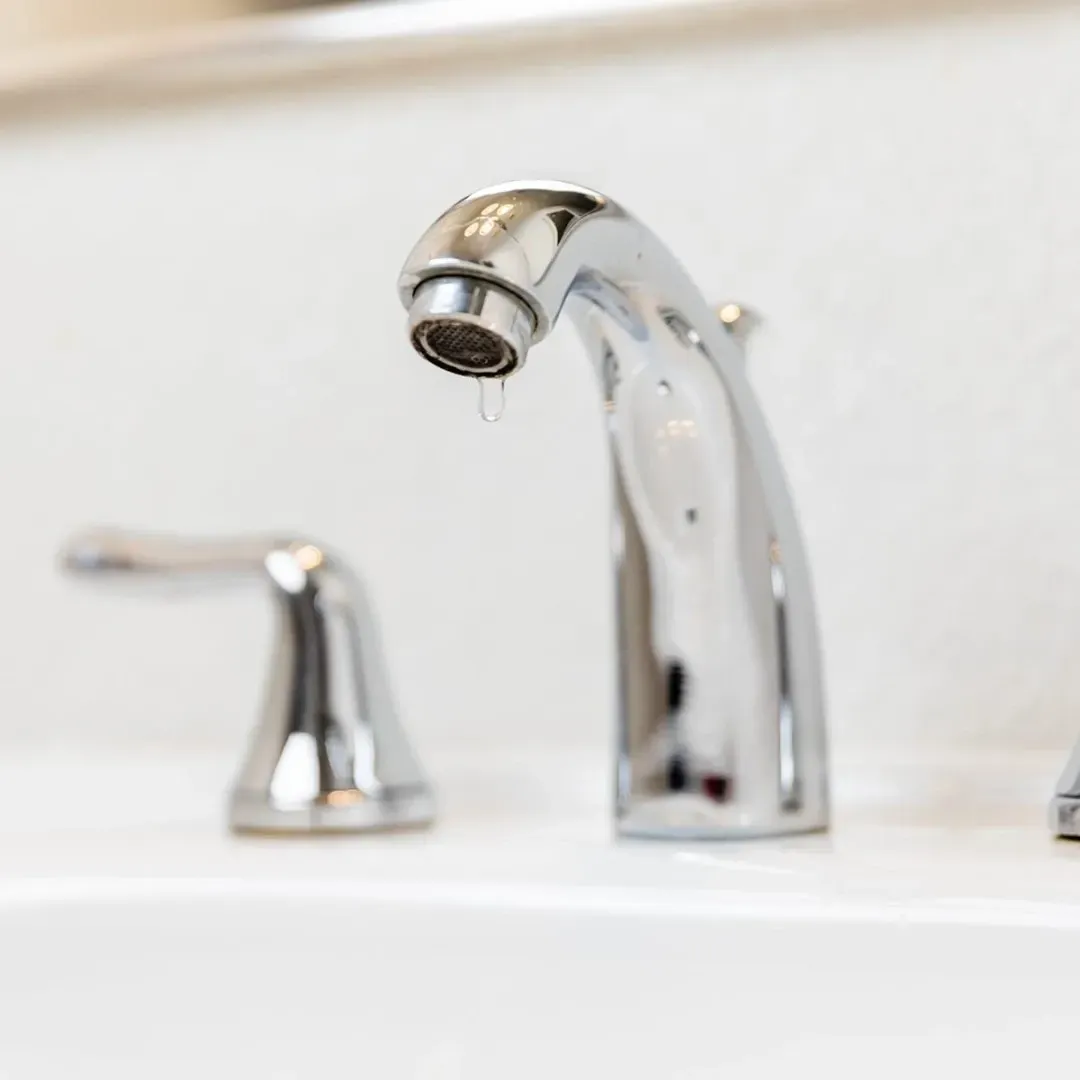
| Faucets and showerheads | Leaves scale around aerators and spray openings | More cleaning and earlier part replacement |
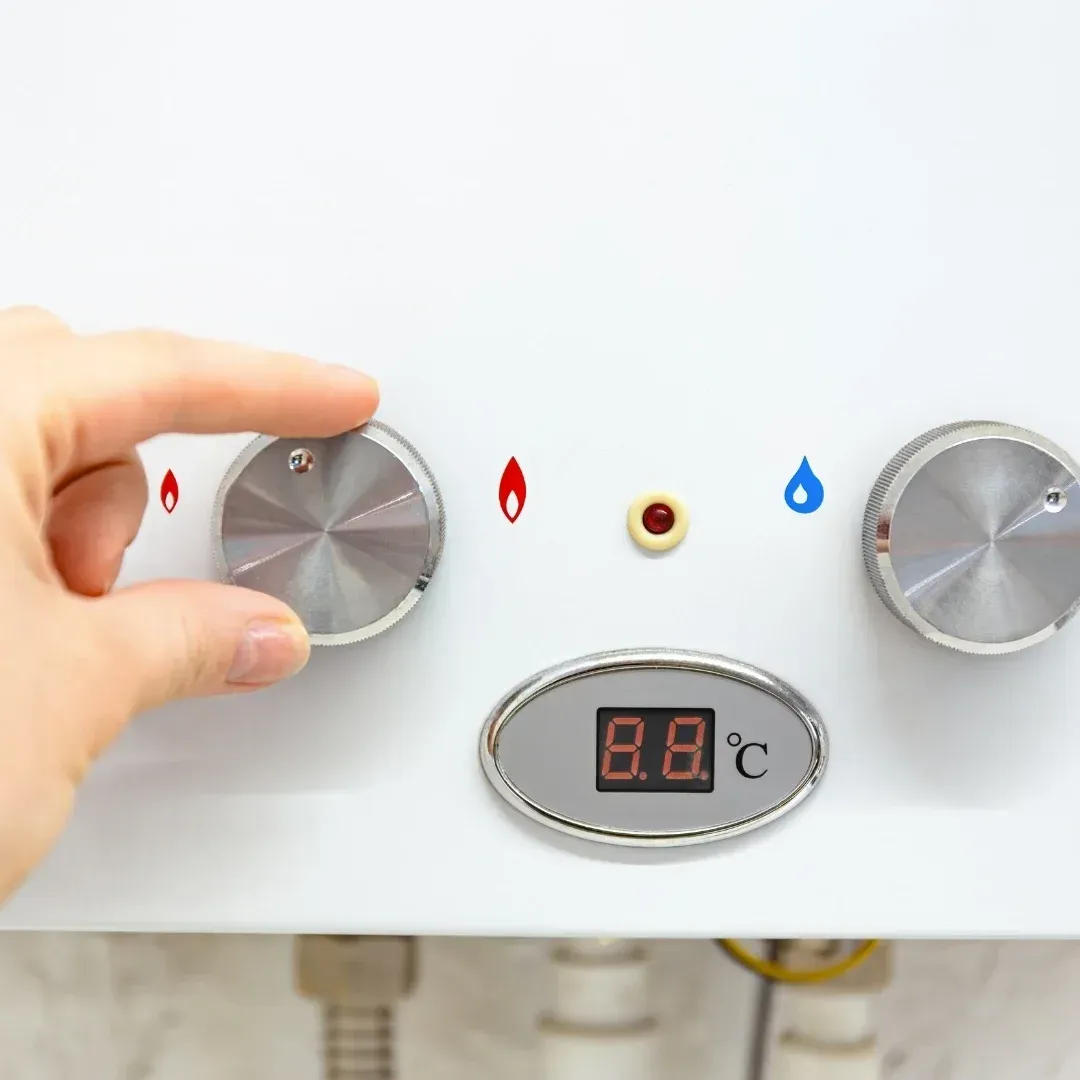
| Water heater | Builds scale on heated surfaces, tanks, or heat exchangers | More maintenance and reduced performance |
| Dishwasher and glassware | Leaves spots and cloudy residue | More detergent, rinse aid, or repeat washing |
| Washing machine and laundry | Makes soap less effective and fabrics feel stiff | More product use and faster fabric wear |
| Supply piping | Can gradually form scale inside some lines | Lower flow at affected fixtures |
The USGS notes that scale can build up inside pipes and reduce water movement over time. Government drinking-water guidance also explains that scale can collect on heating elements and affect appliance performance.
You may never receive a separate “hard water bill,” but you can pay for it through repeat cleaning, service calls, replacement parts, and equipment that needs attention sooner than expected.
Read more about how hard water affects your plumbing system.
Common Signs You Have a Hard-Water Problem
The clearest signs appear where water is heated, sprayed, or allowed to dry. Several of these problems together often point to mineral buildup:
- White crust around faucet aerators and showerheads
- Chalky spots on dishes, glasses, and shower doors
- Soap or shampoo that does not lather easily
- Laundry that feels stiff or looks dull
- Reduced flow from individual fixtures
- Popping or rumbling from a tank-style water heater
- Frequent descaling of a tankless water heater
- Repeated replacement of cartridges, valves, or appliance parts
These symptoms can also come from sediment, aging fixtures, pressure problems, or worn equipment. Testing and inspection should come before buying a treatment system.
Hard Water and Hidden Leaks Are Different Problems
Hard water can create scale, but it does not prove that you have a slab leak or pipe failure. A rising water bill, warm flooring, damp areas, or meter movement while all fixtures are off should be treated as a separate plumbing concern.
The EPA reports that household leaks waste nearly 1 trillion gallons of water nationwide each year. You can perform a basic meter check:
- Turn off faucets, appliances, irrigation, and other water-using equipment.
- Record the meter reading or check the leak indicator.
- Wait without using water.
- See whether the reading or indicator changed.
If water still appears to be moving, schedule professional plumbing repairs. You can also review the signs your home needs a plumbing repair before a small leak becomes a larger problem.
Which Water Treatment Solution Fits Your Home?
A water softener treats hardness, while a filter targets taste, odor, sediment, or selected contaminants.
Some Gilbert homeowners choose a combination when they want whole-home hardness treatment along with separate taste, odor, or drinking-water treatment.
| System | Best For | What It Doesn’t Do |
|---|---|---|
| Ion-exchange water softener | Scale prevention and softer-feeling water | It is not a complete contaminant filter |
| Whole-home carbon filter | Chlorine-related taste and odor | It does not remove hardness minerals |
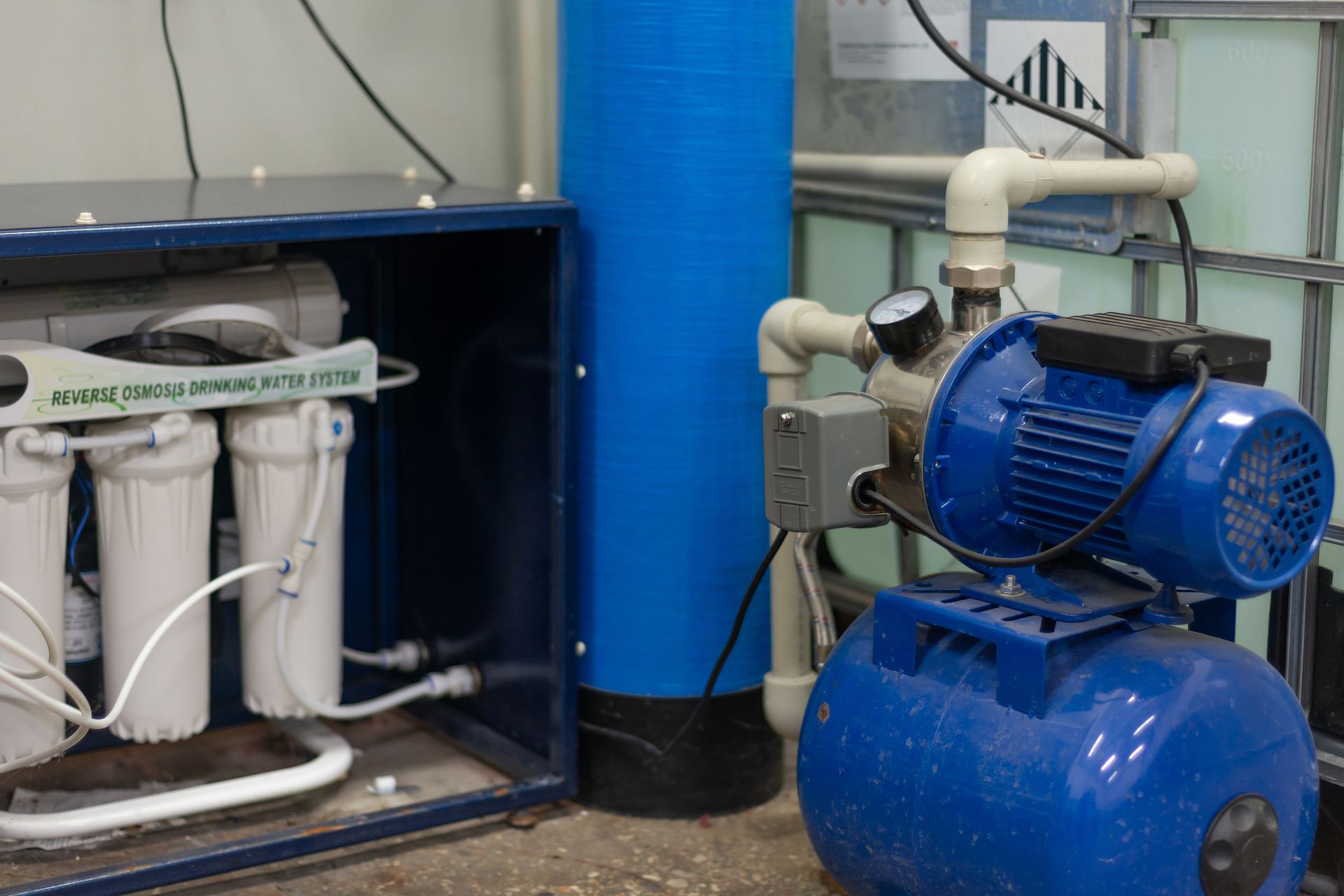
| Under-sink reverse osmosis | Drinking and cooking water with lower dissolved solids | It does not protect the whole home from scale |
| Softener plus filtration or RO | Hardness treatment plus separate water-quality goals | Requires more equipment and maintenance |
Ion-Exchange Water Softener
A traditional softener removes calcium and magnesium through ion exchange before those minerals can form scale. It is usually the first system to consider when your main concerns are fixture buildup, appliance protection, soap performance, and mineral deposits.
When comparing softeners, look for a complete system certified to NSF/ANSI 44 for hardness-reduction performance, capacity, pressure drop, material safety, and structural integrity.
Whole-Home Carbon Filtration
Carbon filtration can improve chlorine-related taste and odor throughout the house. Gilbert notes that seasonal changes may affect taste or smell even though the water continues to meet health standards.
Look for a system certified to NSF/ANSI 42 for the specific chlorine, taste, or odor reduction claim you want.
Reverse Osmosis
An under-sink reverse osmosis system treats water used for drinking and cooking. It can reduce total dissolved solids and may carry certified claims for specific substances, depending on the model.
Choose equipment certified to NSF/ANSI 58 for the reduction claims that matter to you. Do not assume every RO system removes the same substances.
A professional assessment can help you compare water treatment services in Gilbert and understand how to choose the right water treatment system for your home.
What to Expect During Professional Installation
A good installation starts with testing and sizing, not a one-size-fits-all recommendation. Your plumber should match the equipment to the water conditions, household demand, available space, and treatment goals.
The process usually includes:
- Test the water. Confirm hardness and discuss taste, odor, sediment, and drinking-water concerns.
- Review household demand. Size the system for the residents, bathrooms, and typical water use.
- Choose the installation point. Whole-home equipment is normally placed near the main water entry with access to drainage and power when required.
- Plan drinking-water treatment. Decide whether the kitchen line needs separate filtration.
- Review maintenance. Understand salt, filter, sanitation, and replacement schedules.
Installation time depends on the system, plumbing layout, space, drainage, power needs, and whether the home has a treatment loop.
If your water heater already has heavy scale or performance problems, ask whether it needs service, flushing, descaling, or replacement from a qualified water heater professional.
Is Gilbert Tap Water Safe to Drink?
Yes. The Town of Gilbert states that its tap water meets or exceeds applicable health-based standards and that average hardness is not known to cause adverse health effects.
Seasonal changes may affect taste, odor, or appearance, but Gilbert explains that these aesthetic changes do not create a public-health threat. Softening and filtration are therefore usually home-protection, convenience, taste, and personal-preference decisions rather than evidence that municipal water is unsafe.
Start with a water test, identify a clear treatment goal, and compare certified equipment. Avoid buying a system based only on a dramatic sales demonstration or a generic citywide number.
Schedule a Water Quality Assessment in Gilbert
Hard-water effects are cumulative. Each day gives scale another opportunity to collect around fixtures, inside water-heating equipment, and on surfaces throughout your home.
Testing early can help reduce repeated cleaning, unnecessary product use, and preventable wear. It also helps you avoid paying for treatment equipment your home does not need.
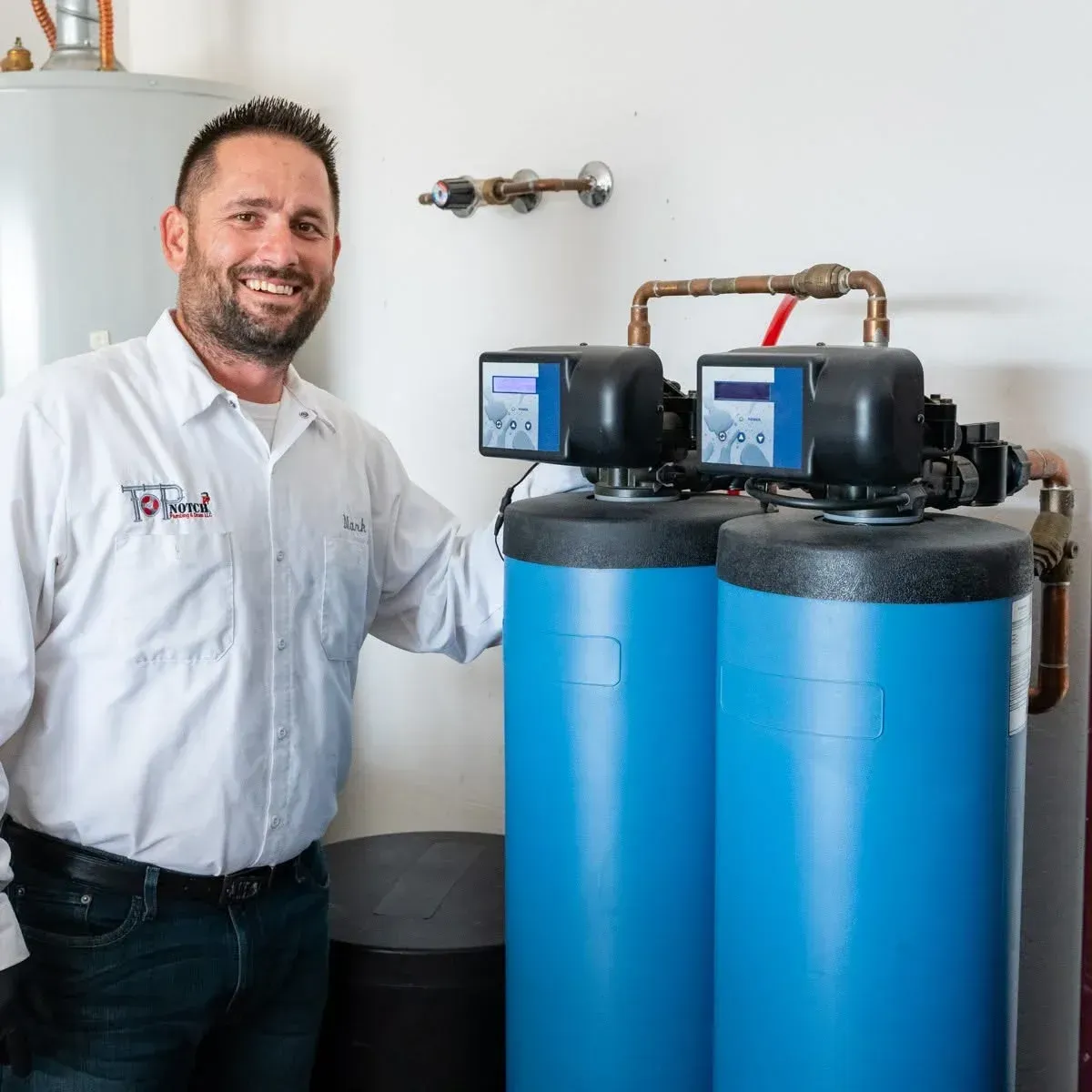
Top Notch Plumbing and Drain is a locally owned Gilbert company with a licensed and insured team offering 30 years of combined plumbing experience.
For professional
water softener and filtration services in Gilbert, AZ, call
(602) 859-5365 to request a water-quality assessment and discuss the right treatment option for your home.
FAQs About Gilbert’s Hard Water
Do I need a water softener or a filtration system?
Choose a softener when scale and appliance protection are your main concerns. Consider carbon filtration or under-sink RO when you also want to address taste, odor, dissolved solids, or drinking-water goals.
Will a water softener reduce my water pressure?
A correctly sized and installed softener should not create a noticeable pressure problem. An undersized or poorly maintained system can restrict flow.
How long does installation take?
Timing varies by plumbing layout and system type. Homes with an existing treatment loop, nearby drain, and available power usually require less preparation.
Can hard water make my water heater need service sooner?
Yes. Scale can collect on heating surfaces and inside tanks or heat exchangers. Treatment can reduce new buildup, but an existing unit may still need inspection or descaling.
Is reverse osmosis necessary for every Gilbert home?
No. RO is most useful when you want dedicated drinking-water treatment or reduction of specific dissolved substances. Testing and certified performance claims should guide the choice.
SHARE THIS ARTICLE
RECENT POSTS